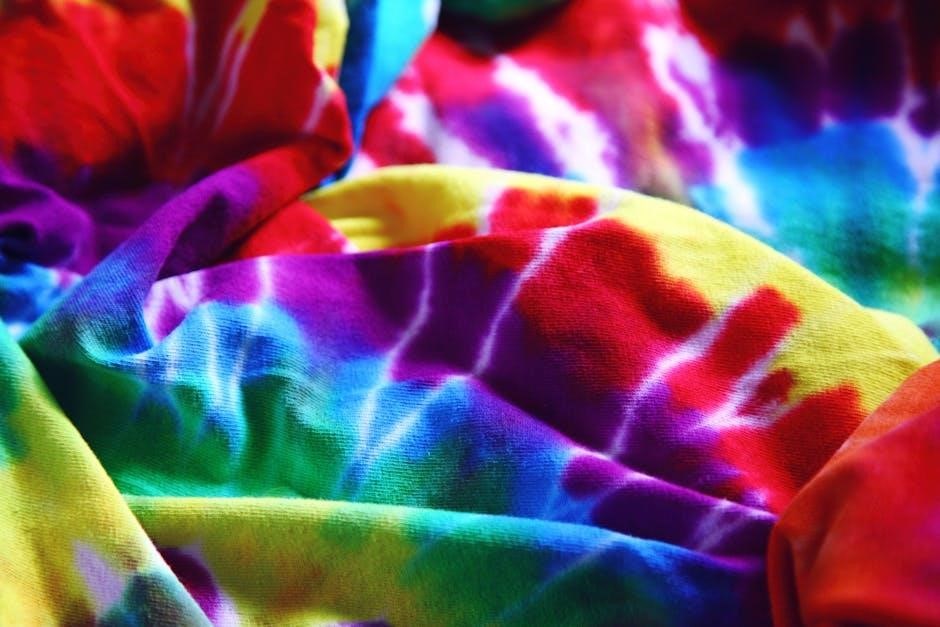
Tie Dye Washing Instructions: A Comprehensive Guide
Navigating the vibrant world of tie-dye requires careful washing to preserve those unique designs! This guide offers printable instructions, ensuring your colorful creations remain brilliant, avoiding unwanted color mixing.
Understanding Dye Bleeding & Colorfastness
Dye bleeding is the primary concern when washing tie-dye, stemming from unfixed dye molecules releasing into the water. This is especially prevalent during the initial washes, as not all dye bonds permanently with the fabric fibers. Colorfastness, conversely, describes a dye’s resistance to fading or bleeding – a quality heavily influenced by the dye type (fiber reactive dyes generally offer superior colorfastness) and the fabric itself.
Understanding these concepts is crucial for protecting your tie-dye investment. Expect some degree of bleeding, particularly with more vibrant colors like reds and blues. The extent of bleeding depends on several factors, including the dye concentration, the fabric type, and the washing process.
Printable instructions often emphasize the importance of accepting initial bleeding as normal. However, minimizing it through proper washing techniques – like cold water and separate loads – is key to maintaining the vibrancy and integrity of your tie-dye designs for years to come. Ignoring this can lead to muddied colors and a disappointing outcome.
Initial Wash: The Crucial First Step
The first wash is arguably the most important step in preserving your tie-dye’s brilliance. This is when the most significant amount of excess dye will be released. Printable washing guides universally stress washing the garment alone during this initial cycle – absolutely no other clothing items should be included. Cold water is paramount; hot water aggressively encourages dye release, leading to greater bleeding and potential staining of anything else in the machine.
A gentle cycle is also essential, minimizing agitation that could further loosen dye bonds. Consider using a small amount of mild detergent, avoiding those with bleach or brighteners.
Don’t be alarmed by cloudy or colored water after the first wash; this is expected! Rinsing multiple times is recommended to remove as much loose dye as possible. Printable instructions often suggest pre-soaking the tie-dye item in cold water for 30 minutes before washing to help loosen excess dye. This proactive step significantly reduces bleeding in subsequent washes.
Water Temperature: Cold vs. Warm vs. Hot
Water temperature is a critical factor in maintaining tie-dye vibrancy, and printable guides consistently emphasize cold water as the safest option. Cold water minimizes dye release, preventing colors from bleeding and fading. Warm water presents a moderate risk; it can encourage some dye loss, particularly with less colorfast dyes, but is generally acceptable after the initial washes.
Hot water should be strictly avoided, especially during the first few washes. It aggressively forces dye molecules out of the fabric, leading to significant color bleeding and potential staining. Printable instructions often include a visual scale, clearly illustrating the impact of each temperature on dye retention.
Even after the initial bleeding subsides, continuing to use cold water will prolong the life and intensity of your tie-dye. Consider a cold-water wash cycle specifically designed for delicate fabrics. Always check the dye manufacturer’s recommendations, as some specialized dyes may have unique temperature requirements, often detailed on printable care sheets.
Detergent Choice: What Works Best for Tie Dye?
Selecting the right detergent is crucial for preserving your tie-dye’s brilliance, and printable washing guides often highlight specific recommendations. Generally, mild, pH-neutral detergents are the safest bet. These detergents are less likely to strip dye molecules from the fabric compared to harsh chemicals found in many conventional brands.
Avoid detergents containing bleach or optical brighteners. Bleach is an obvious enemy of color, while optical brighteners, though seemingly helpful, can actually cause colors to fade over time. Printable care sheets frequently feature a “do not use” list, prominently displaying these ingredients.
Detergents specifically formulated for delicate fabrics or colors are excellent choices. Some printable guides suggest using a color-safe detergent designed for dark clothing. Liquid detergents are often preferred over powders, as powders may not dissolve completely and can leave residue. Always follow the detergent manufacturer’s instructions for dosage, and consider using less detergent than recommended for a gentler wash.
Washing Separately: A Non-Negotiable Rule
The most critical rule in tie-dye care, consistently emphasized in printable washing instructions, is to wash your tie-dye items completely separately from other laundry. This isn’t merely a suggestion; it’s a necessity to prevent dye transfer and maintain the vibrancy of all your clothes.
Even after multiple washes, some dye may still release, especially with deeply saturated colors. Washing with lighter garments risks discoloration, turning your whites and pastels into unintentional tie-dye projects! Printable guides often include a bold warning about this potential issue.
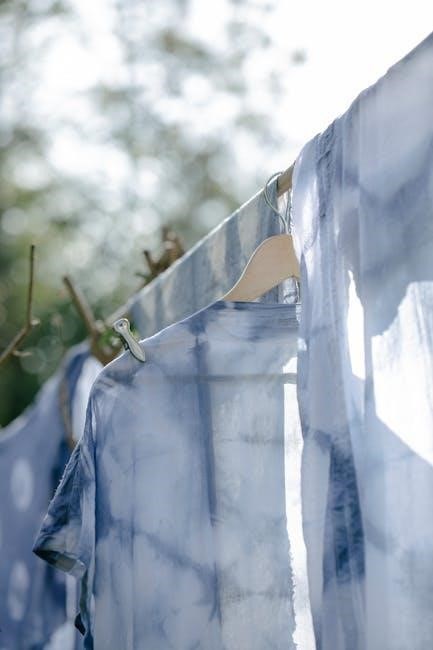
Treat new tie-dye like a colorful fugitive – isolate it! Wash it with other tie-dye items only, or dedicate an entire load to just the newly dyed pieces. This precaution is especially important for the first few washes, as this is when the most dye release occurs. Following printable guides diligently will save you from laundry disasters and ensure your tie-dye remains stunning.
Using Color Catchers: Your Insurance Policy
Even with diligent separation, employing color catcher sheets is highly recommended, and frequently highlighted in printable tie-dye washing instructions. These sheets act as an “insurance policy,” absorbing any stray dye molecules released during the wash cycle, providing an extra layer of protection against unwanted color transfer.
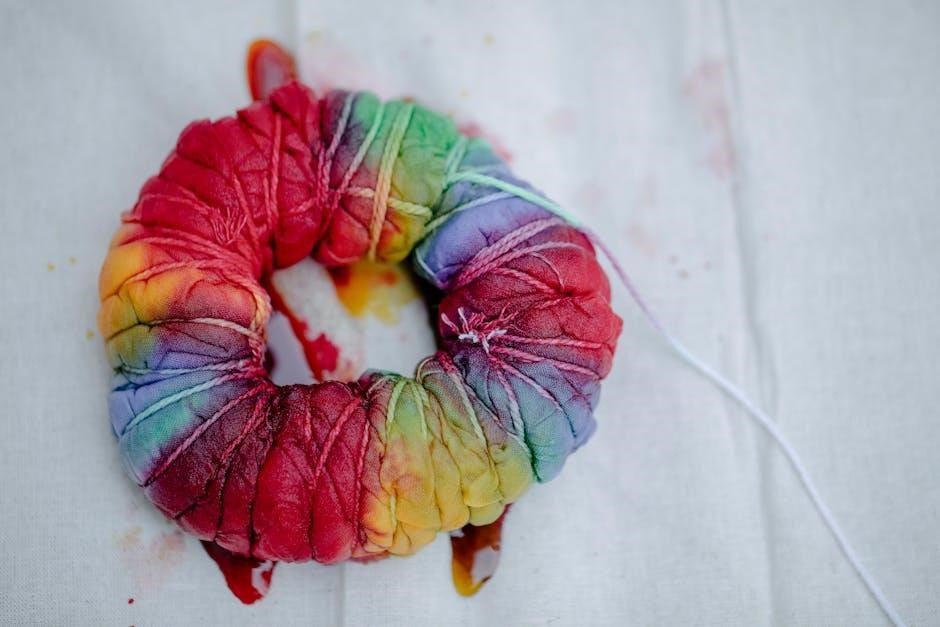
Think of them as tiny sponges specifically designed to trap loose dye. They’re particularly useful when washing multiple tie-dye items together, or if you’re slightly uncertain about the colorfastness of your dyes. Printable guides often suggest using 2-3 sheets per load, depending on the intensity of the colors.
While not a substitute for washing tie-dye separately, color catchers offer peace of mind. They’re an inexpensive way to safeguard your other clothes and ensure your tie-dye remains vibrant. Many printable resources emphasize their value, especially during the initial washes when dye release is most significant. Consider them a small investment for long-lasting color!
Washing Machine Settings: Gentle Cycle is Key
Printable tie-dye washing instructions consistently emphasize the importance of selecting the gentlest cycle available on your washing machine. A delicate or hand-wash cycle minimizes agitation, reducing friction that can cause dye to bleed and fade. Harsh washing can damage the fabric and compromise the vibrancy of your designs.

Avoid using the “heavy duty” or “bulky” settings, as these employ more aggressive washing actions. Opt for a slower spin speed as well; high-speed spinning can also contribute to color loss. Many printable guides recommend a cool or cold-water wash, paired with the gentle cycle, for optimal results.
Remember, the goal is to clean the garment without stripping away the dye. A gentle approach extends the life of your tie-dye and keeps the colors looking fresh. Prioritize fabric care, and always consult your printable guide for specific recommendations tailored to your tie-dye’s materials.
Hand Washing Tie Dye: A Detailed Approach
Printable tie-dye washing instructions often detail hand washing as the safest method, especially for the initial washes. Fill a clean basin or tub with cool water and a mild detergent formulated for delicates. Gently submerge the tie-dye garment, ensuring it’s fully saturated.
Avoid vigorous scrubbing or twisting; instead, gently agitate the water to loosen dirt. Allow the item to soak for 15-30 minutes, checking periodically for dye release. Rinse thoroughly under cool, running water until all soap residue is removed. Repeat the rinsing process if necessary.
To prevent stretching or distortion, avoid wringing the garment. Gently press out excess water, then roll it in a clean towel to absorb more moisture; Printable guides frequently suggest laying the item flat to dry, away from direct sunlight. Hand washing provides maximum control and minimizes the risk of color bleeding, preserving your tie-dye’s vibrancy.
Drying Methods: Air Dry vs. Machine Dry
Printable tie-dye washing instructions consistently recommend air drying as the preferred method to safeguard colors. Laying the garment flat on a clean, dry surface, or hanging it on a plastic hanger away from direct sunlight, minimizes fading and prevents unwanted stretching. This gentle approach allows the fibers to dry slowly, locking in the vibrant hues.
Machine drying, while convenient, poses risks. If you choose to machine dry, use the lowest heat setting and a delicate cycle. Printable guides often caution against using dryer sheets, as they can attract loose dye molecules. Consider adding a few clean, white towels to the dryer to absorb any residual color.
However, even with these precautions, machine drying can still cause some fading. Air drying remains the safest option, particularly for the first few washes, ensuring your tie-dye creations retain their brilliance for years to come. Prioritize gentle care for lasting color!
Avoiding Color Fading: Protecting Your Investment
Printable tie-dye washing instructions emphasize proactive steps to minimize color loss and preserve your vibrant creations. Beyond initial washes, consistent care is crucial. Always turn garments inside out before washing – this reduces friction and direct exposure to the washing machine’s agitation.
Avoid harsh detergents containing bleach or optical brighteners, as these actively strip dye molecules. Opt for color-safe detergents specifically designed for delicate fabrics. Printable guides frequently suggest using a mild, pH-neutral detergent. Furthermore, limit exposure to direct sunlight during drying, as UV rays are a significant contributor to fading.

Storing tie-dye items away from direct light and heat also helps maintain their vibrancy. Consider using garment bags for added protection. Following these simple, printable guidelines will significantly extend the life and brilliance of your tie-dye investment, ensuring long-lasting enjoyment!
Dealing with Stubborn Dye Bleeding
Even with diligent adherence to printable tie-dye washing instructions, some bleeding may occur, particularly with deeply saturated colors. If you notice persistent dye release, don’t panic! Immediately rewash the item separately, adding several color catcher sheets – these act like magnets, attracting loose dye molecules.
Consider a second wash with even colder water and a smaller amount of detergent. For particularly stubborn cases, a dedicated dye fixative product (available at craft stores) can be applied before rewashing, helping to bind the dye to the fabric. Printable guides often recommend a vinegar soak (1 cup vinegar per gallon of cold water) as a natural fixative alternative.
Avoid using hot water or harsh detergents, as these will exacerbate the bleeding. Patience is key; multiple washes with color catchers are often necessary. If bleeding continues after several attempts, the item may be prone to fading and should be washed with similar colors only.
Re-Washing After Initial Bleeding Stops
Once the initial, significant dye bleeding subsides – confirmed by clean water after rinsing and minimal color on color catcher sheets – you can transition to a more regular washing routine, but still with caution! Continue washing your tie-dye items separately for the first few washes, even after the most obvious bleeding has ceased. Printable washing guides emphasize this step.
Gradually, you can begin to incorporate similar colored items, but always monitor for any dye transfer. Cold water remains your best friend, and a gentle cycle is still recommended. Avoid fabric softeners, as they can sometimes loosen dye bonds. A high-quality, color-safe detergent is crucial.
Remember, even after the initial bleeding stops, some minor color release is normal, especially with vibrant shades. Regularly check for fading and adjust your washing practices accordingly. Following printable instructions diligently will maximize the longevity of your tie-dye’s brilliance.
Printable Washing Instructions: Quick Reference Guide
For ultimate convenience, a printable washing guide is essential! This quick reference ensures consistent care for your tie-dye creations. Key elements include: always wash new tie-dye separately for the first several washes – a minimum of three is recommended. Utilize cold water exclusively, as heat accelerates dye release. Opt for a gentle cycle on your washing machine to minimize agitation and color loss.
Employ a color-safe detergent, avoiding those with bleach or brighteners. Incorporate color catcher sheets into every wash, even after initial bleeding appears to stop. Air drying is preferable, but if using a machine, select a low heat setting. Printable guides often include a checklist format for easy adherence.
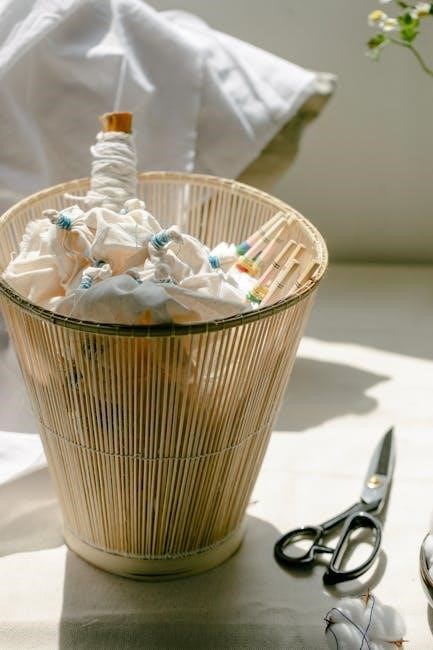
These concise instructions, readily available for posting near your laundry area, will safeguard your vibrant tie-dye investments. Regularly consult the guide to reinforce best practices and maintain long-lasting color!
Long-Term Care: Maintaining Vibrant Colors
Preserving the brilliance of your tie-dye requires consistent, mindful care beyond the initial washes! Even after the initial dye release subsides, continue washing tie-dye items separately or with similar colors. Cold water remains the best choice for long-term color retention, minimizing fading over time. Gentle detergents, free of harsh chemicals and brighteners, are crucial for protecting the dye molecules.
Avoid prolonged exposure to direct sunlight, as UV rays can cause colors to fade. When storing tie-dye garments, turn them inside out to shield the dyed surfaces. Consider using color-boosting laundry additives occasionally, following product instructions carefully. Regularly reviewing your printable washing guide reinforces these habits.
Consistent adherence to these practices will ensure your tie-dye pieces remain vibrant and expressive for years to come, showcasing the artistry and fun of this beloved craft!
Specific Fabric Considerations (Cotton, Rayon, etc.)
Different fabrics react uniquely to dye and washing, demanding tailored care for optimal results! Cotton, the most common tie-dye base, generally holds color well but benefits from cold water and gentle cycles. Rayon and viscose, known for their softness, are more prone to fading and require extra caution – hand washing is often recommended. Silk and linen, delicate fibers, necessitate even gentler handling, potentially requiring specialized detergents.
Synthetic fabrics like polyester may not absorb dye as readily, potentially leading to less vibrant results and increased color bleeding. Always check the garment’s care label before washing. A printable washing guide tailored to the specific fabric type is invaluable. Remember, darker or more intense dyes tend to bleed more, regardless of the fabric.
Understanding your fabric’s composition allows you to adjust your washing routine, safeguarding the longevity and vibrancy of your tie-dye creations!
Troubleshooting Common Washing Issues
Even with diligent care, occasional washing mishaps can occur with tie-dye! Stubborn dye bleeding, despite initial precautions, is a frequent concern. Re-washing the item separately with cold water and color catchers is often effective. If colors continue to run, consider a color fixative product designed for dyed fabrics – always test in an inconspicuous area first.
Fading can happen over time, especially with vibrant shades; Minimize sun exposure during drying and use a detergent formulated for color protection. Graying or dulling can indicate detergent buildup; try rinsing twice or switching to a residue-free formula. A printable troubleshooting guide can be a lifesaver!
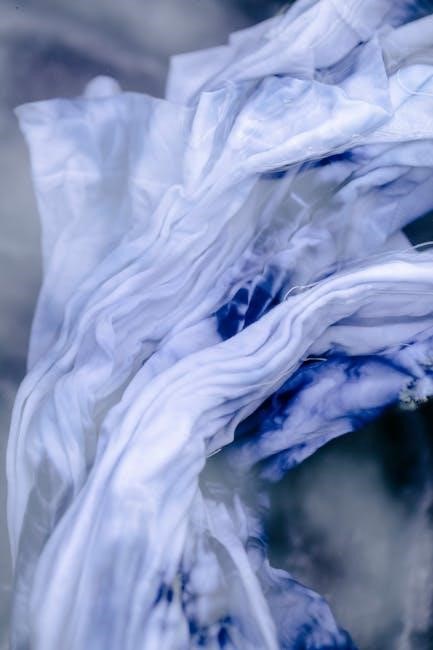
Remember to address issues promptly to prevent further damage. Documenting your washing process and dye types can help pinpoint the cause of problems and refine your technique for future projects.