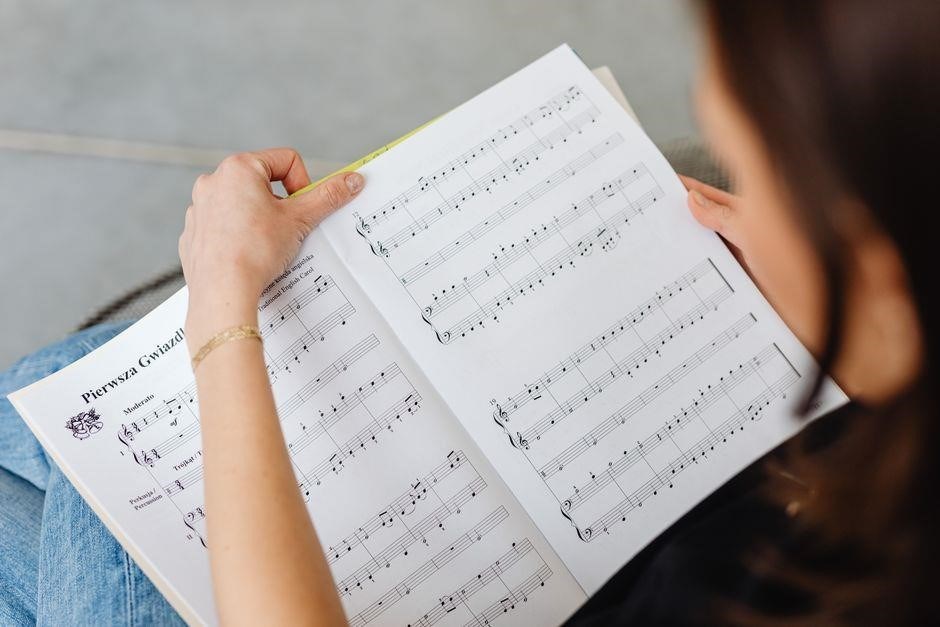
Overview of Canon in D Sheet Music PDF
Canon in D sheet music PDFs provide musicians with ready‑to‑print scores, often featuring multiple arrangements. Many sites host free downloads, while premium versions offer scans and printable page breaks for classroom use.
These PDFs work with most notation software and can be annotated for teaching.
Composer and Historical Context
Johann Pachelbel (1653–1706) was a German composer whose work bridged the late Renaissance and early Baroque periods. Born in Nuremberg, he studied under the court composer Johann Jakob Walther and later served as a court organist in Mannheim. Pachelbel’s oeuvre includes chorale preludes, cantatas, and instrumental pieces, but he is best known for his “Canon in D,” a canon in the key of D major that exemplifies the Baroque practice of counterpoint and harmonic progression. The piece was originally written for a trio of violins and basso continuo, but its structure—three voices moving in canon—has made it adaptable to piano, guitar, and choral arrangements. The canon’s popularity surged in the 20th century, especially after its inclusion in wedding playlists and popular media, cementing its status as a staple of both classical repertoire and contemporary celebrations. Pachelbel’s influence extended to later composers such as Johann Sebastian Bach, whose “Crab Canon” echoes similar contrapuntal techniques. Today, the Canon in D remains a touchstone for understanding Baroque musical form and is frequently used in music education to illustrate voice leading, harmonic rhythm, and the interplay between canon and variation. Its enduring appeal lies in its melodic simplicity, harmonic richness, and the way it invites performers to explore the balance between structure and expression. Its timeless structure continues to inspire musicians worldwide, transcending genres and eras. Forever!! Its enduring legacy is celebrated in concerts, recordings, and curricula across the globe.
Key Signature, Tempo, Structure
The Canon in D is written in the key of D major, featuring two sharps (F♯ and C♯) that give the piece its bright, resonant tonality. The original manuscript indicates a moderate tempo, typically marked “Andante” or “Moderato,” which translates to approximately 100–110 beats per minute. Modern editions often set the tempo at 100 bpm, allowing performers to maintain a steady pulse while emphasizing the flowing counterpoint. The structure of the canon is a classic Baroque canon in the first species, where the three voices enter sequentially at the same pitch level, each following the preceding voice exactly. The piece is divided into 23 measures, with the first 12 measures establishing the main theme and the remaining 11 measures providing a gradual diminuendo and a final cadence. The texture is homophonic at the start, shifting to a more polyphonic texture as the voices overlap. The final section features a gentle rallentando, culminating in a serene, unresolved cadence that invites the listener to reflect on the interplay of voices. This structure, combined with the key signature and tempo, creates a balanced, timeless piece that remains accessible to both amateur and professional musicians. The PDF versions often include detailed markings for dynamics, articulation, and phrasing, which help performers interpret the subtle shifts in texture and tempo throughout the canon. The canonical form is preserved across arrangements, ensuring that the core musical ideas remain intact while allowing for adaptation to different instruments or ensembles. This makes the Canon in D a versatile teaching tool for exploring counterpoint, harmonic progression, and rhythmic consistency in a concise, well‑structured format. The PDF format also allows for easy annotation, highlighting measures, and integration with digital teaching platforms, enhancing both performance and pedagogy. Its enduring appeal lies in its clear structure, harmonic clarity, and the challenge of maintaining rhythmic precision across overlapping voices. The canonical form remains a benchmark for understanding Baroque composition and modern arrangement techniques. Its influence extends beyond classical music, inspiring contemporary composers and arrangers to explore the timeless interplay of melody and harmony. The Canon in D continues to be a staple in music education, performance, and popular culture, demonstrating the power of a well‑crafted musical idea that transcends time and genre. Its simplicity and elegance make it a favorite for weddings, ceremonies, and instructional settings alike. The PDF format ensures that this masterpiece remains accessible to all. Its legacy endures through generations of musicians, educators, and listeners worldwide. The Canon in D is a testament to the enduring power of classical music to inspire, educate, and unite. Its timeless beauty continues to captivate audiences across the globe, ensuring its place in the repertoire for years to come.
Common PDF Formats
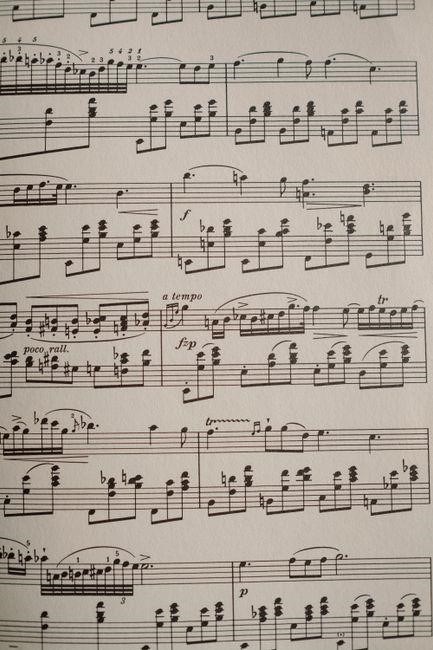
When searching for Canon in D sheet music PDFs, users encounter several standard file types that balance quality, accessibility, and compatibility. The most prevalent are:
- Standard PDF (PDF/A-1b) – A version of PDF designed for long‑term archival. It embeds all fonts and images, ensuring that the score appears exactly as intended on any device. Many official publishers release their scores in this format.
- Compressed PDF (ZIP‑packed PDF) – A lightweight alternative that reduces file size by compressing embedded images. This format is popular on free sheet‑music repositories, allowing quick downloads without sacrificing readability.
- Interactive PDF (PDF‑X) – An extension of the standard PDF that supports embedded hyperlinks, bookmarks, and form fields. Interactive PDFs are useful for teaching, as they can link to audio samples or explanatory notes.
- Scanned PDF (TIFF‑based PDF) – A direct scan of the original manuscript or printed score. While offering high fidelity, these PDFs often lack selectable text and may require OCR for digital editing.
- PDF‑to‑MIDI conversion files – Some sites provide a dual‑file package: a PDF for printing and a separate MIDI file for playback. The MIDI file allows users to hear the arrangement before performing.
Choosing the right format depends on the user’s needs: archival preservation, quick sharing, interactive learning, or high‑resolution printing. Regardless of the format, Canon in D remains widely available across platforms, ensuring that musicians, educators, and enthusiasts can access the score in the most convenient form.
Downloading Canon in D PDFs
Users can obtain Canon in D PDFs from sites like MusicNotes or SheetMusicDirect, which offer licensed scores. Free repositories such as 8notes.com and MuseScore provide downloadable PDFs, often with arrangements and adjustable key signatures. Enjoy timeless art music

Official Publishing Sites
For those seeking authentic, legally licensed copies of Johann Pachelbel’s Canon in D, several reputable publishers offer high‑quality PDF downloads. Alfred Music’s “Pachelbel Collection” provides a full‑score edition with detailed editorial markings, while Hal Leonard’s “Classic Piano” series offers a concise, performance‑ready version. Musicnotes.com hosts a range of arrangements, from beginner to advanced, each accompanied by a printable PDF and an interactive score. SheetMusicPlus.com lists multiple editions, including the well‑reviewed “Pachelbel Canon in D – Full Score” and the “Canon in D – Easy Piano” arrangement. All of these sites require a one‑time purchase or subscription, ensuring that the PDFs are produced from original manuscripts or authoritative transcriptions. The PDFs typically include page‑break options, key‑signature adjustments, and tempo markings, making them suitable for both classroom use and solo practice. By purchasing through these official channels, musicians support the preservation of classical repertoire and receive guaranteed, high‑resolution files that are compatible with most notation and playback software.
These official PDFs often come with a digital booklet that explains the historical background of the piece, offers performance tips, and sometimes includes a MIDI file for rehearsal. The files are typically available in PDF/A format, ensuring long‑term preservation and compatibility with archival systems.
Enjoy PDFs today. for all
Free Sheet Music Repositories
For musicians seeking free, high‑quality PDFs of Pachelbel’s Canon in D, several online repositories provide downloadable scores that are legally in the public domain or offered under Creative Commons licenses. 8notes.com hosts a popular “Canon in D – Piano” arrangement that includes a full‑score PDF, tempo markings, and optional transpositions. The site also offers a “Canon in D – Easy Piano” version with simplified chord symbols for beginners.
MusicTheoryAcademy.com features a “Canon in D – Piano” PDF arranged by Ben Dunnett, which is available for free download after a brief registration. The score contains detailed fingering suggestions and a printable page‑break layout suitable for classroom use.
Musescore.com offers user‑generated transcriptions of Canon in D in several arrangements, including a 5‑part version for piano, violin, and cello. Each score can be downloaded as a PDF or exported to MIDI, and the platform’s community comments provide performance tips.
Cantorion.com provides a “Canon in D – Piano” PDF that is fully annotated, with dynamic markings and rehearsal marks. The download is free, and the site allows users to view the score in a browser before printing.
All of these repositories respect copyright law by offering only public‑domain or user‑licensed content, ensuring that users can legally download and print Canon in D PDFs for personal practice or teaching.
These free PDFs suit teachers and hobbyists for all.
Popular Arrangements Available as PDF

Ben Dunnett’s piano arrangement, Lee Galloway’s version, and Jacob Danao’s transcription are widely used. Each PDF offers clear notation, dynamic markings, rehearsal cues, and printable page breaks. They are ideal for soloists, chamber groups, and teachers seeking reliable, ready‑to‑print scores for all. These PDFs are compatible with most notation software and can be annotated for rehearsal Ideal for educators; Enjoy
Ben Dunnett Piano
Ben Dunnett’s rendition of Pachelbel’s Canon in D is a modern, student‑friendly arrangement that preserves the original harmonic structure while easing technical demands. Released in 2021 via the Music Theory Academy, the PDF contains a full 23‑measure transcription that keeps the familiar chord progression but replaces complex ornamentation with straightforward, singable phrases. Each measure is annotated with dynamic markings, tempo indications, and rehearsal cues, allowing performers to navigate the piece with confidence. The layout is optimized for print: A4 pages are neatly divided, the staff lines are evenly spaced, and the typeface is clear and legible, making it ideal for solo practice, ensemble rehearsal, or classroom instruction. Users can download the file directly from the Academy’s website, where it is offered in both PDF and MIDI formats for those who wish to hear a playback preview. The arrangement includes a brief editorial note that explains the interpretive choices—such as a moderate 100‑BPM tempo, a steady left‑hand accompaniment, and a simplified right‑hand line that still captures the melodic contour. Because it is freely downloadable, it has become a staple in many music libraries, especially in schools that emphasize accessible repertoire. The PDF’s clean design and comprehensive annotations make it a popular choice for educators preparing students for auditions or recital programs. Whether you’re a beginner looking to master a classic or an instructor seeking a reliable resource, Ben Dunnett’s PDF offers a polished, user‑friendly solution that brings Pachelbel’s timeless canon into contemporary practice.
Lee Galloway Piano
Lee Galloway’s piano arrangement of Pachelbel’s Canon in D is a popular choice for intermediate players seeking a balance between technical challenge and musicality. Published in 2015 through Cantorion, the PDF features a clear, modern notation style that retains the original harmonic progression while simplifying the right‑hand melodic line for easier execution. The arrangement is designed to be accessible for students who have moved beyond the beginner level but are not yet ready for advanced repertoire. Galloway’s version includes a moderate tempo of 100 BPM, a steady left‑hand accompaniment, and a simplified right‑hand phrase that preserves the iconic motif without excessive ornamentation. The layout is optimized for A4 printing, with distinct page breaks and a legible typeface that makes rehearsal and performance straightforward. The PDF is available for free download, and it can be opened in most PDF readers or music notation software, allowing users to print, annotate, or convert to MIDI if desired. Because the file is free, it is frequently used in music schools, community ensembles, and by solo pianists preparing for recitals. The arrangement’s clarity and faithful adherence to the original harmonies make it an excellent teaching tool for illustrating counterpoint and chordal structure in a familiar context. Overall, Lee Galloway’s version offers a well‑balanced, student‑friendly approach that keeps the spirit of Pachelbel’s classic while providing a manageable technical workload!!
Jacob Danao Piano

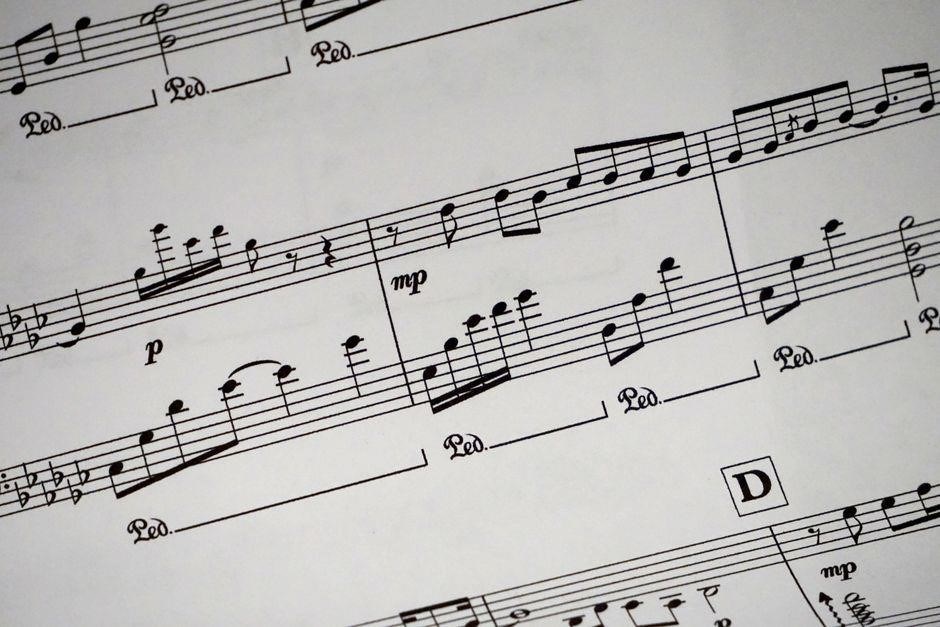
Jacob Danao’s piano transcription of Pachelbel’s Canon in D offers a fresh, approachable rendition for intermediate players. Released on MuseScore in 2024, the PDF features a clean, modern notation layout that retains the original harmonic framework while simplifying the right‑hand melodic line for smoother execution. The arrangement is set at a moderate tempo of 100 BPM, with a steady left‑hand accompaniment that provides rhythmic stability. Danao’s version emphasizes clear phrasing and dynamic contrast, making it ideal for solo recitals or ensemble rehearsals. The PDF is freely downloadable from the MuseScore platform, and it can be opened in standard PDF readers or imported into notation software for further editing. Because the file is free, it is widely used by music educators and students seeking a reliable, student‑friendly version of the classic. The arrangement’s balanced technical demands and faithful adherence to the original harmonies make it a valuable teaching resource for illustrating counterpoint and chordal progression in a familiar context. Overall, Jacob Danao’s version delivers an engaging, accessible interpretation that preserves the timeless charm of Pachelbel’s masterpiece while offering a manageable workload for intermediate pianists. Students can use the PDF to practice sight‑reading, as the staves and consistent key signatures aid aural skill development. The arrangement includes pedal markings, letting players experiment with sustain and texture. Instructors may annotate the score with notes, making it versatile for lesson planning. Whether for a wedding, recital, or classroom, Jacob Danao’s transcription offers a reliable resource that respects the original while adapting it to piano technique . …!
Preparing PDFs for Performance and Teaching
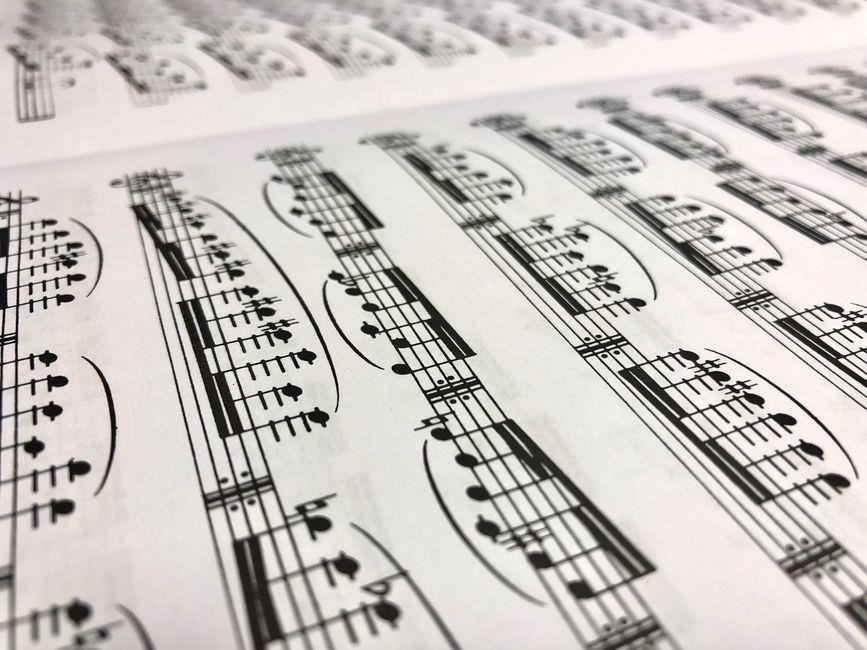
Use PDF settings to adjust page size, margins, and line spacing for clear visibility. Convert PDFs to formats for annotation. Add bookmarks and hyperlinks for easy navigation during rehearsals. Test printouts to ensure fidelity before performance!
Printing and Layout Settings
When preparing Canon in D PDFs for performance, choose a high‑resolution printer (300‑600 dpi) to preserve note clarity. Set the page size to A4 or Letter, depending on the venue, and use the “fit to page” option to avoid cutting off the outer staff. Adjust margins to 15 mm on all sides so that the score remains centered. For classroom use, increase the font size of the title and key signature by 2–3 pt to aid readability. If the PDF contains multiple staves, enable the “single‑page” view and disable “continuous scrolling” to keep each staff on its own page. Use the “print preview” function to verify that the time‑signature and tempo markings appear in the correct position. For ensemble rehearsals, add a header with the piece’s name, composer, and arrangement details, and a footer with page numbers and rehearsal marks. If the PDF is scanned, apply a noise‑reduction filter before printing to eliminate background artifacts. Finally, test print a single page to confirm that the staff lines are evenly spaced and that the dynamics markings are legible. This meticulous setup ensures that both performers and students can focus on musical interpretation rather than technical distractions. Use a printer to differentiate staves or add shading; that the printer’s margins do not clip the outer staff lines, and that the page orientation matches the score’s layout. Add.
PDF to MIDI Conversion
Converting Canon in D sheet music PDFs to MIDI files is a common workflow for rehearsal planning and digital playback. The process begins by selecting a reliable PDF‑to‑MIDI converter such as PDFtoMusic, ScoreCloud, or Audiveris with a built‑in music‑recognition engine. First, open the PDF in the chosen software and let the OCR engine parse the staves, clefs, key signatures, and tempo markings. Accuracy is critical; verify that the key signature is correctly identified as D major and that the tempo marking (e.g., “Allegretto” or “60 bpm”) is retained. Next, adjust the transposition settings if the PDF is in a different key or if you wish to hear the piece in a specific instrument range. Many converters allow you to set the output instrument to piano, violin, or a full ensemble, which can be useful for practice sessions.
After parsing, export the recognized data to a standard MIDI file. Most converters provide options to choose the MIDI format (SMF 1 or 2) and to embed tempo and key information. If the PDF contains multiple staves, the converter will typically generate separate tracks for each instrument, allowing you to mute or solo parts during playback. Finally, save the MIDI file with a descriptive name such as “Pachelbel_Canon_in_D_Piano_MIDI.” This file can then be used for virtual accompaniment, educational playback, or as a reference for ensemble rehearsals. Use this MIDI for practice and teaching.
Additional resources include MIDI editors instrument libraries that can playback experience.
Interactive PDF Features
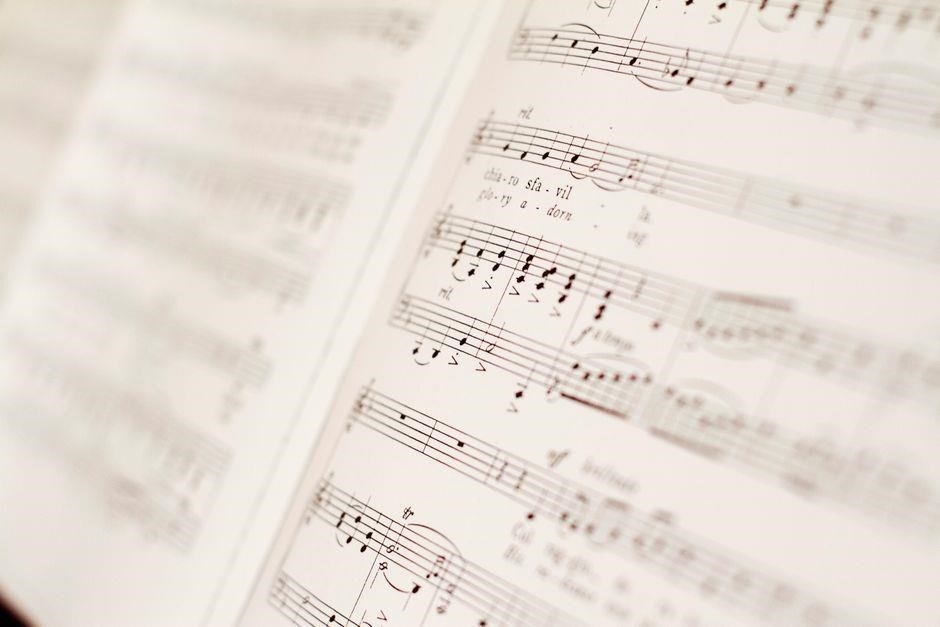
Modern Canon in D sheet‑music PDFs often embed interactive elements that enhance learning and performance. By using PDF readers that support JavaScript, users can click on a measure to hear a short audio clip, toggle between the original score and a simplified version, or view a zoomed‑in annotation panel that explains harmonic functions. Some publishers include hidden layers: a “playback” layer that streams a MIDI rendition, a “practice” layer that shows a metronome beat, and a “transposition” layer that automatically adjusts the key for instruments such as clarinet or trumpet.
These layers are toggled via a small toolbar or a context menu, allowing pianists to practice at a comfortable key while still seeing the original notation.
By using a slider or a numeric input field, the playback speed can be modified in real time, letting students experiment with rubato or practice at a slower tempo without re‑printing the score.
For educators, the ability to embed hyperlinks to external resources—such as a YouTube performance, a historical background page, or a discussion forum—creates a richer learning environment.
Finally, many interactive PDFs are designed to be fully accessible. They include tagged text for screen readers, high‑contrast color options, and adjustable font sizes. The combination of these features turns a static PDF into a dynamic teaching tool that can adapt to individual learning styles and performance needs.
Additional tools include tempo markers, rehearsal notes, and change.