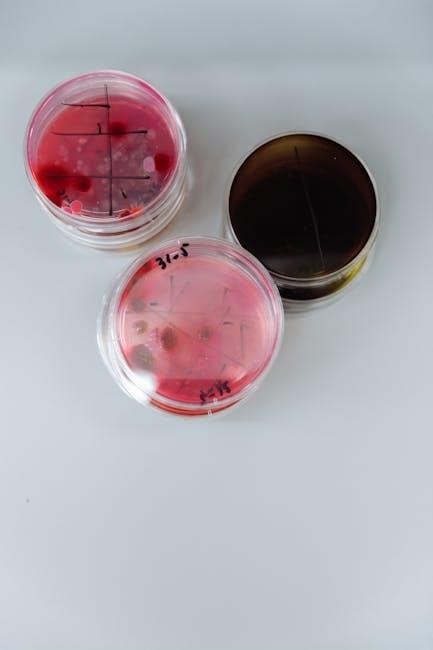
Biology Laboratory Manual 13th Edition ISE by Darrell Moore and Randy Vodopich provides essential guidance, covering diverse topics from cell structure to genetic analysis.
The Importance of a Lab Manual
A biology laboratory manual, particularly the 13th Edition ISE by Moore and Vodopich, is fundamentally crucial for successful learning and practical application within the biological sciences. It transcends being merely a collection of procedures; it’s a structured pathway to understanding core concepts like defining life, chemical biology’s revolution, and the intricacies of cell biology – interphase and mitosis.
This edition serves as a vital companion, guiding students through essential techniques such as microscopy, dissection, and chemical analysis. It reinforces theoretical knowledge with hands-on experience, fostering critical thinking and problem-solving skills. Furthermore, a comprehensive lab manual emphasizes safety protocols, ensuring a secure learning environment when handling biological specimens and managing waste disposal. Ultimately, it bridges the gap between classroom theory and real-world scientific investigation.
Brief History of Biology Lab Manuals
The evolution of biology lab manuals mirrors the progression of biological science itself. Early manuals, emerging alongside the formalization of biology as a discipline, were often simple guides accompanying introductory courses. As the field expanded – encompassing areas like chemical biology and ecosystem studies – manuals grew in complexity, reflecting advancements in microscopy and analytical techniques.
The need for standardized procedures and safety protocols became paramount, driving the inclusion of detailed instructions and risk assessments. The 13th Edition ISE by Moore and Vodopich represents a culmination of this historical development, building upon decades of refinement. It incorporates modern techniques for investigating cell structure, enzyme activity, and genetic analysis, while maintaining a focus on foundational principles. These manuals have transitioned from basic instruction to integral tools for scientific exploration.
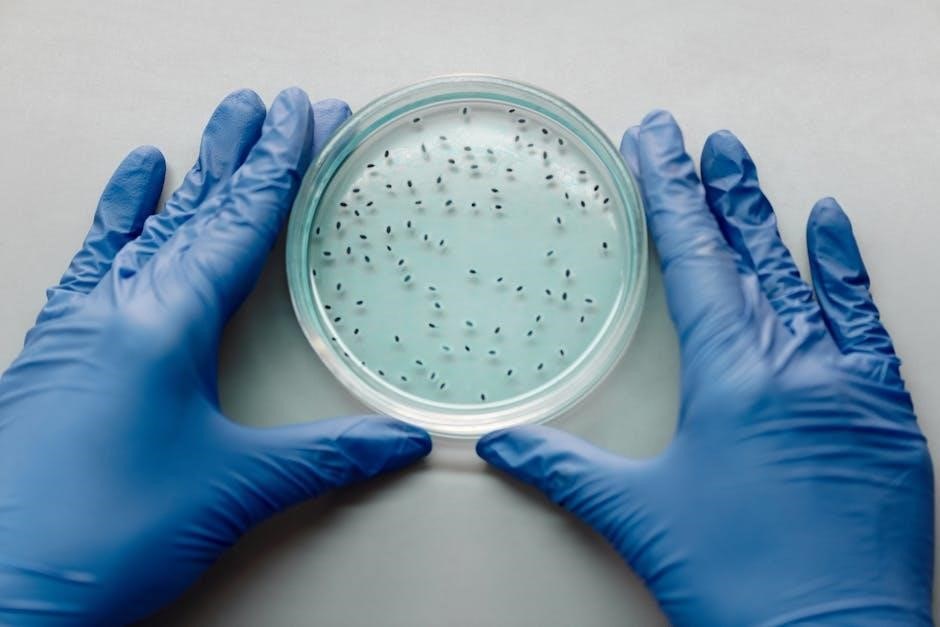
Understanding the 13th Edition
Biology Laboratory Manual 13th Edition ISE, authored by Darrell Moore and Randy Vodopich, delivers updated experiments and techniques for modern biology students.
Key Updates and Revisions
The Biology Laboratory Manual 13th Edition ISE, crafted by Darrell Moore and Randy Vodopich, incorporates significant updates reflecting advancements in biological understanding and laboratory techniques. These revisions aim to enhance student engagement and provide a more contemporary learning experience. Updates encompass refined experimental procedures, ensuring accuracy and clarity for optimal results.
Furthermore, the edition features expanded coverage of crucial areas like chemical biology, acknowledging its revolutionary impact on the field. Investigations into cell shape dynamics during interphase and mitosis are also more thoroughly explored, utilizing single-cell morphometric analyses. The manual also emphasizes the interconnectedness within ecosystems, detailing organism-environment interactions. These changes ensure the manual remains a relevant and valuable resource for students navigating the complexities of modern biology.
Target Audience and Scope
The Biology Laboratory Manual 13th Edition ISE, authored by Darrell Moore and Randy Vodopich, is primarily designed for introductory biology students – those in college-level courses, or advanced high school programs. Its scope is comprehensive, covering fundamental biological principles, from defining life itself and exploring the vast diversity of the 8.7 million documented species, to detailed investigations of ecosystems.
The manual aims to equip students with practical skills in microscopy, dissection, and chemical analysis. It delves into core concepts like chemical biology’s revolutionary impact, cell biology focusing on interphase and mitosis, and ecosystem structure and function. The content is structured to build a strong foundation in biology, preparing students for more specialized studies and fostering a deeper appreciation for the living world.
Authors: Darrell Moore and Randy Vodopich
Darrell Moore and Randy Vodopich are esteemed authors in the field of biology education, recognized for their commitment to clear, accessible, and engaging scientific writing. Their Biology Laboratory Manual 13th Edition ISE reflects a dedication to hands-on learning and a thorough understanding of core biological principles.
Through this manual, they aim to guide students through essential laboratory techniques, encompassing microscopy, dissection, and chemical analysis, while reinforcing key concepts like the definition of life, the revolutionary nature of chemical biology, and the intricacies of cell division (interphase and mitosis). Their combined expertise ensures the manual’s content is both scientifically accurate and pedagogically sound, fostering a deeper understanding of ecosystems and the broader biological landscape.
Core Concepts in Biology Covered
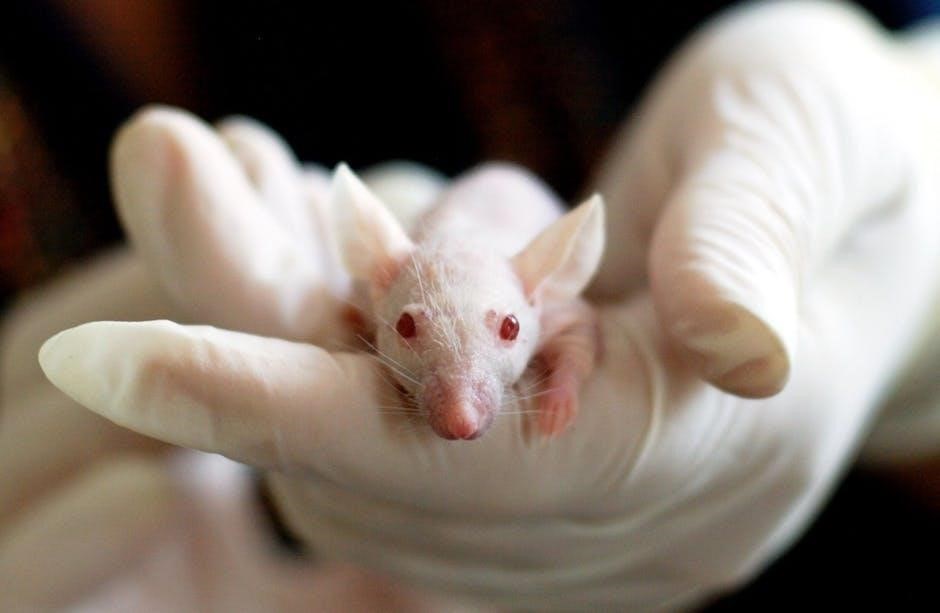
Biology Laboratory Manual 13th Edition ISE explores defining life, chemical biology’s revolution, cell biology (interphase & mitosis), and ecosystem structure and function.
What is Biology? ― Defining Life
Biology, as presented within the Biology Laboratory Manual 13th Edition ISE, is fundamentally the scientific study of life – encompassing its origins, evolutionary history, and the intricate details of living organisms.
This includes examining anatomy, morphology, physiology, behavior, and the global distribution of species. The manual emphasizes that life isn’t confined to specific regions; it thrives across the planet, from the frigid Arctic to the scorching Sahara Desert.
Currently, over 8.7 million species have been documented, solidifying Earth’s unique position as the only known planet harboring life. The 13th edition likely delves into these classifications and the ongoing advancements in biological understanding, providing a foundational understanding of what constitutes life itself and how it’s studied.
Chemical Biology and its Revolution
The Biology Laboratory Manual 13th Edition ISE likely highlights Chemical Biology as a revolutionary intersection of chemistry and biological sciences. This field utilizes chemical tools and principles to investigate and manipulate biological systems, offering unprecedented insights into life’s processes.
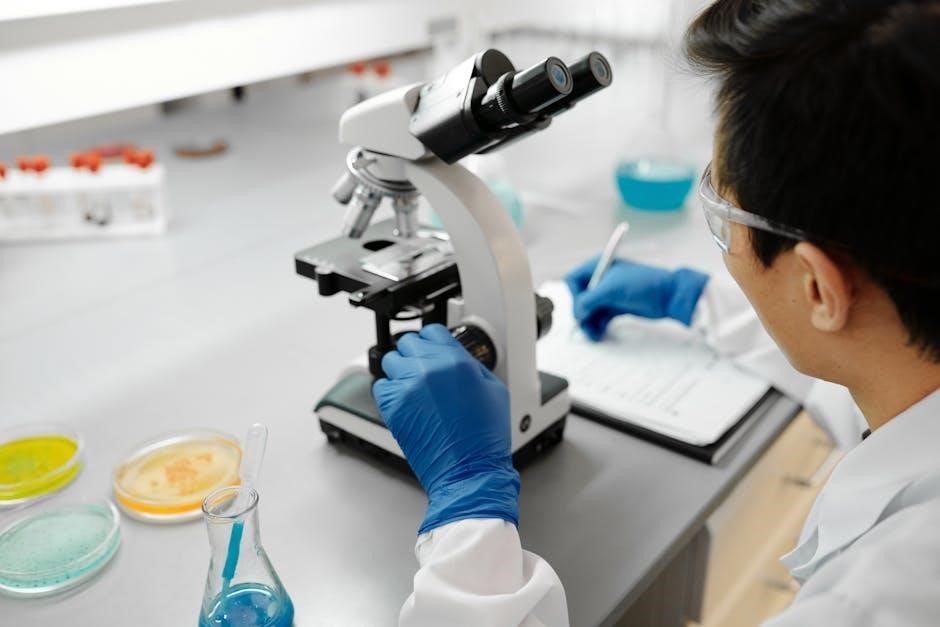
The manual probably emphasizes that this isn’t a recent development; the revolutionary impact of chemical biology has been consistently evolving. International conferences, like the ChemoRevolution Symposia, demonstrate the ongoing drive to transform biology through chemical innovation.
Students using this edition can expect to explore how chemistry’s technologies are applied to understand complex biological phenomena, potentially including drug discovery, protein engineering, and metabolic pathway analysis, showcasing the power of this interdisciplinary approach.
Cell Biology: Interphase and Mitosis
The Biology Laboratory Manual 13th Edition ISE will undoubtedly dedicate significant attention to Cell Biology, specifically the crucial processes of Interphase and Mitosis. These stages represent the cell cycle’s fundamental components, governing growth and reproduction.
Expect the manual to detail how interphase prepares the cell for division, focusing on DNA replication and growth. It will likely explore mitosis – the process of nuclear division – and its distinct phases, ensuring students understand chromosome segregation and the formation of daughter cells.
Recent research, as highlighted by single-cell morphometric analyses, reveals the codependence of cell shape dynamics during interphase and mitosis, influencing mitotic outcome. The manual may incorporate these advanced findings, providing a comprehensive understanding of these vital cellular mechanisms.
Ecosystems: Structure and Function
The Biology Laboratory Manual 13th Edition ISE will likely dedicate a substantial section to Ecosystems, exploring their intricate Structure and Function. An ecosystem, defined as a unit where organisms interact with each other and their environment, is a core concept in biology.
Students can anticipate learning about the biotic (living) and abiotic (non-living) components of ecosystems, and how energy flows through trophic levels. The manual will likely cover topics like food webs, nutrient cycles, and the impact of environmental factors on ecosystem stability.
Considering A.G. Tansley coined the term ‘Ecosystem’ in 1935, the manual will likely provide historical context alongside contemporary ecological principles, fostering a holistic understanding of these complex systems.
Essential Laboratory Techniques
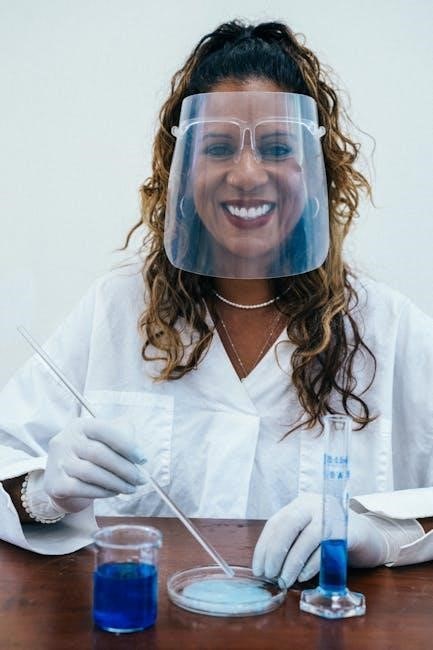
Biology Laboratory Manual 13th Edition ISE details crucial techniques like Microscopy, Dissection, and Chemical Analysis, equipping students with practical skills for biological exploration.
Microscopy Techniques
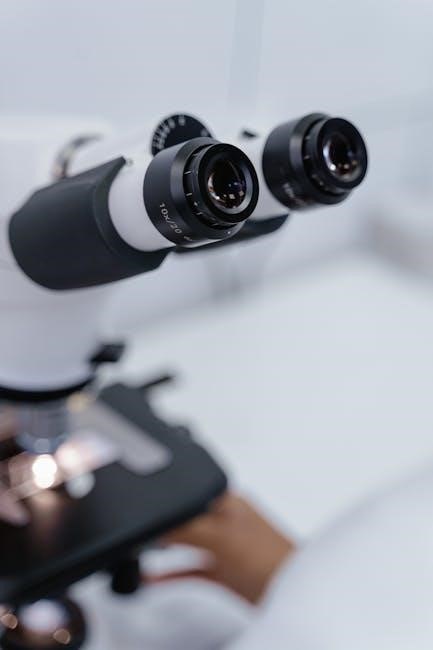
Biology Laboratory Manual 13th Edition ISE emphasizes mastering microscopy, a cornerstone of biological study. Students learn to prepare slides, focusing on proper staining and mounting procedures for optimal visualization. The manual guides users through various microscope types – brightfield, phase contrast, and potentially others – detailing their principles and applications.
Detailed instructions cover focusing techniques, achieving appropriate magnification, and identifying key cellular structures. Troubleshooting common issues, like adjusting light intensity and resolving image clarity, is also addressed. The text likely includes exercises involving observing diverse specimens, from plant cells to microorganisms, fostering observational skills and reinforcing understanding of cellular morphology. Emphasis is placed on accurate documentation through drawing and labeling observed structures, crucial for scientific reporting.
Dissection Procedures
Biology Laboratory Manual 13th Edition ISE provides comprehensive dissection protocols, prioritizing safety and ethical considerations. Students are guided through the proper handling of specimens, utilizing appropriate tools and techniques for precise incisions. The manual likely features detailed anatomical illustrations alongside step-by-step instructions for dissecting various organisms, potentially including invertebrates like earthworms or squid, and vertebrates like frogs or fetal pigs.
Emphasis is placed on identifying key anatomical structures and understanding their functions within the organism. Careful observation and accurate recording of findings are encouraged. The text likely includes pre-lab exercises to familiarize students with anatomy and post-lab questions to assess comprehension. Safety protocols, including proper disposal of biological waste, are thoroughly outlined to ensure a responsible learning environment.
Chemical Analysis in Biology
Biology Laboratory Manual 13th Edition ISE integrates chemical analysis techniques crucial for understanding biological processes. The manual likely details procedures for testing for the presence of key biological molecules – carbohydrates, proteins, lipids, and nucleic acids – utilizing reagents like Benedict’s solution, Biuret reagent, and Sudan III. Students learn to interpret results, connecting chemical reactions to biological functions.
Furthermore, the text probably covers pH measurements and buffer systems, essential for maintaining cellular homeostasis. Experiments may involve spectrophotometry to quantify substance concentrations, demonstrating the application of chemistry in biological research. Safety protocols for handling chemicals are paramount, with clear instructions on dilution, storage, and disposal. The manual aims to build a strong foundation in applying chemical principles to solve biological problems.
Safety Protocols in the Biology Lab
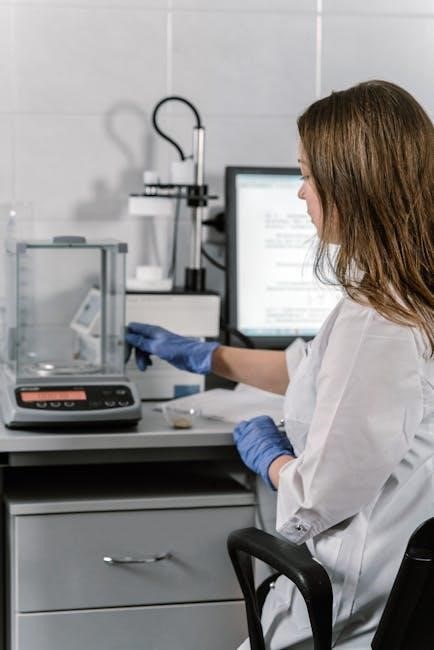
Biology Laboratory Manual 13th Edition ISE emphasizes strict adherence to safety rules, proper handling of specimens, and responsible waste disposal procedures for a secure environment.
General Lab Safety Rules
Biology Laboratory Manual 13th Edition ISE, by Moore and Vodopich, fundamentally prioritizes a safe learning environment. Students must consistently wear appropriate personal protective equipment (PPE), including safety goggles, to shield eyes from chemical splashes or biological hazards. Lab coats are crucial for protecting clothing and skin from potential contamination.
Food and drinks are strictly prohibited within the laboratory to prevent accidental ingestion of harmful substances. Long hair must be tied back to avoid interference with experiments or contact with open flames.
Students are expected to familiarize themselves with the location of safety equipment, such as fire extinguishers, eyewash stations, and first aid kits. Any accidents, spills, or injuries, no matter how minor, should be reported immediately to the instructor. Careless behavior, running, or unauthorized experiments are strictly forbidden, ensuring a focused and secure laboratory experience for everyone involved.
Handling Biological Specimens
The Biology Laboratory Manual 13th Edition ISE, authored by Darrell Moore and Randy Vodopich, emphasizes responsible handling of all biological specimens. Treat all materials as potentially hazardous, even if they appear harmless. Always wear gloves when directly interacting with specimens to prevent contamination and protect yourself from potential pathogens.
Dissection procedures require careful attention and respect for the organism. Use appropriate dissection tools and follow the instructor’s guidance meticulously. Avoid touching your face or mouth during and after handling specimens.
Proper preservation and storage are vital. Specimens should be stored in designated containers with appropriate labels. Thorough handwashing with soap and water after handling any biological material is non-negotiable, minimizing the risk of exposure and maintaining a safe laboratory environment.
Waste Disposal Procedures
The Biology Laboratory Manual 13th Edition ISE, by Darrell Moore and Randy Vodopich, details strict waste disposal protocols crucial for lab safety and environmental protection. Biological waste, including used cultures, dissection remains, and contaminated materials, must be segregated from general trash.
Sharps – slides, cover slips, and scalpel blades – require disposal in designated, puncture-proof containers. Chemical waste demands specific handling based on its properties; never pour chemicals down the drain unless explicitly instructed.
Follow your instructor’s guidance for proper disposal procedures, as regulations can vary. Always label waste containers clearly with their contents. Responsible waste management minimizes environmental impact and ensures a safe laboratory environment for everyone.

Specific Experiments Included
Biology Laboratory Manual 13th Edition ISE, authored by Moore and Vodopich, features experiments on cell structure, enzyme activity, and detailed genetic analysis procedures.
Experiment Examples: Cell Structure

Biology Laboratory Manual 13th Edition ISE, crafted by Darrell Moore and Randy Vodopich, dedicates significant attention to foundational cell structure experiments. These practical exercises aim to solidify understanding of cellular components and their functions. Students engage in microscopy to observe diverse cell types – plant, animal, and bacterial – identifying organelles like the nucleus, mitochondria, and chloroplasts.
Detailed procedures guide students through slide preparation, staining techniques to enhance visibility, and accurate microscopic observation. The manual emphasizes distinguishing between prokaryotic and eukaryotic cells, highlighting key structural differences. Further experiments may involve investigating cell wall structure in plant cells or exploring the impact of different environmental factors on cell morphology. These hands-on experiences are crucial for developing observational skills and a deeper appreciation for the building blocks of life.
Experiment Examples: Enzyme Activity
Biology Laboratory Manual 13th Edition ISE, authored by Darrell Moore and Randy Vodopich, features comprehensive experiments exploring enzyme activity, a cornerstone of biological processes. Students investigate factors influencing enzyme kinetics, such as temperature, pH, and substrate concentration. A common experiment utilizes catalase, an enzyme found in many organisms, to break down hydrogen peroxide into water and oxygen, visually demonstrating enzymatic action.
The manual guides students through designing experiments to measure reaction rates, analyzing data to determine optimal conditions for enzyme function, and understanding the concept of enzyme inhibition. Students may also explore the specificity of enzymes by testing their activity on different substrates. These practical investigations reinforce the understanding of enzyme structure, function, and their vital role in metabolic pathways.
Experiment Examples: Genetic Analysis
Biology Laboratory Manual 13th Edition ISE, crafted by Darrell Moore and Randy Vodopich, provides robust experiments in genetic analysis, fundamental to understanding heredity. Students often perform experiments involving Mendelian genetics, utilizing Punnett squares to predict inheritance patterns of traits in organisms like Drosophila (fruit flies) or Wisconsin Fast Plants.
The manual guides students through analyzing phenotypic ratios, conducting chi-square tests to determine if observed results align with expected Mendelian ratios, and exploring concepts like dominant and recessive alleles. Experiments may also include DNA extraction from various sources, gel electrophoresis to separate DNA fragments, and analysis of genetic crosses to determine genotypes. These hands-on activities solidify understanding of genetic principles and experimental design.

Accessing the 13th Edition PDF
Biology Laboratory Manual 13th Edition ISE PDFs are available through legitimate educational sources, ensuring authorized access and avoiding potential risks from unauthorized downloads.
Legitimate Sources for Download
Securing a genuine copy of the Biology Laboratory Manual 13th Edition ISE PDF requires utilizing reputable and authorized channels. Directly purchasing through the publisher’s official website is the most reliable method, guaranteeing access to the complete and unaltered content. Educational institutions often provide access to the PDF through their online learning platforms or library resources, offering students a convenient and legally compliant option.
Furthermore, authorized online bookstores specializing in academic texts are dependable sources. These platforms partner directly with publishers to distribute digital versions, ensuring authenticity and adherence to copyright regulations. Be cautious of websites offering “free” downloads, as these frequently harbor malware, viruses, or incomplete versions of the manual. Prioritizing legitimate sources safeguards your digital security and supports the authors’ intellectual property rights, ensuring continued quality and updates to the valuable resource.
Potential Risks of Unauthorized Downloads
Obtaining the Biology Laboratory Manual 13th Edition ISE PDF through unofficial channels presents significant risks. Websites offering free downloads are frequently riddled with malware, viruses, and spyware, compromising your device’s security and potentially stealing personal information. These downloads often contain incomplete or corrupted files, lacking crucial experimental details or diagrams, hindering your learning experience.
Furthermore, downloading copyrighted material illegally constitutes a violation of intellectual property rights, potentially leading to legal consequences. Unauthorized copies may lack essential updates and revisions present in the official edition, providing inaccurate or outdated information. Supporting these illicit sources undermines the authors’ work and discourages the creation of future educational resources. Prioritizing legitimate purchase or institutional access ensures a safe, complete, and legally compliant learning experience.
Digital vs. Physical Copy Considerations
Choosing between a digital Biology Laboratory Manual 13th Edition ISE PDF and a physical copy depends on individual learning preferences and practical needs. Digital versions offer portability and convenient searchability, allowing quick access to specific experiments or concepts on various devices. They often include interactive features like embedded videos or animations, enhancing understanding.
However, a physical copy provides a tactile learning experience, enabling easy note-taking directly within the manual and eliminating potential eye strain from prolonged screen exposure. It also removes reliance on battery life or internet connectivity. Consider your study habits and lab environment; a physical copy might be preferable for hands-on work, while a digital version suits on-the-go review. Both formats deliver the same core content, ensuring a comprehensive learning resource.