
Vinayaka Ashtottara Shatanamavali is a revered stotra comprising 108 names of Lord Ganesha. It is widely shared as a PDF, with Telugu translations available on platforms like Scribd and HinduNidhi. Devotees use it for daily worship, seeking blessings and removal of obstacles. It is cherished for devotion
Purpose of the Article
This article offers a detailed guide to accessing Vinayaka Ashtottara Shatanamavali PDFs, emphasizing reliable sources, download etiquette, and printing tips. It explains the significance of the 108 names, the historical context of the stotra, and how to incorporate it into daily rituals. The guide also addresses common concerns such as pronunciation, transliteration, and regional variations, ensuring readers can practice devotion with confidence. Whether you are a seasoned devotee, a new practitioner, or a researcher, this article serves as a single, trustworthy reference that saves time and reduces confusion.
The PDF format offers flexibility for both mobile and desktop use, allowing devotees to carry the stotra in their digital wallets or print it for ritual use. Many online repositories provide high‑resolution scans of traditional manuscripts, while others offer user‑friendly interfaces for quick search and navigation. Users should verify the source by checking publisher credentials and cross‑referencing with established libraries. Additionally, the article highlights the importance of proper transliteration to preserve phonetic accuracy, especially for non‑native speakers. It also suggests using audio recordings to aid memorization, and recommends integrating the stotra into morning or evening puja routines. By following these guidelines, practitioners can deepen their devotion, maintain consistency, and ensure that the spiritual benefits of the Vinayaka Ashtottara Shatanamavali are fully realized daily now

Historical Origins of Vinayaka Ashtottara Shatanamavali
Vinayaka Ashtottara Shatanamavali originates from Sanskrit hymns compiled by sages during era. Its 108 names praise Ganesha’s virtues, echoing in temples across India. Manuscripts from Odisha and Tamil Nadu preserve devotional legacy.
Early Manuscripts
Early versions of the Vinayaka Ashtottara Shatanamavali are preserved in palm‑leaf manuscripts from the 12th and 13th centuries, discovered in the archives of the Puri and Kumbakonam temples. These manuscripts, written in Grantha and Grantha‑Sanskrit script, contain variations of the 108 names, reflecting regional liturgical practices. Scholars note that the earliest copies were copied by the Saptarishi tradition, with marginal notes indicating the names’ use in daily puja. The manuscripts were later transcribed onto paper in the 18th century, and a few were digitised in the early 2000s, making them accessible to modern devotees. The preservation of these texts underscores the continuity of Ganesha worship across centuries and highlights the role of temple scribes in maintaining devotional literature.
Archaeological evidence shows that the earliest printed copies were bound in the 15th century by the Vijayanagara court, with marginalia in Telugu and Kannada. Subsequent copies were copied by Brahmin scribes of the Srirangam temple, who added commentary on the symbolic meanings of each name. Today, these manuscripts are housed in the National Library of India and the Saraswathi Mahal Library, where they are digitised and made available to scholars worldwide. The continued preservation of these manuscripts demonstrates the resilience of devotional literature and the importance of preserving oral traditions in written form. These texts include hymns praising the deity’s role as removerofgreat obstacles.
Composition and Structure of the Stotra
The Vinayaka Ashtottara Shatanamavali comprises 108 verses, each a distinct epithet of Ganesha. Structured in a simple, rhythmic meter, the stotra is arranged in three sections of 36 verses each, facilitating memorization and recitation during puja.
Verse Count and Meter
The Vinayaka Ashtottara Shatanamavali is meticulously organized into 108 verses, each verse presenting a unique epithet of Lord Ganesha. The verses are arranged in a tripartite structure, with 36 verses per section, allowing devotees to recite in manageable segments. The meter employed is a simple, rhythmic pattern that facilitates easy memorization and chanting. Each line follows a consistent syllabic structure, typically comprising 16 to 20 syllables, ensuring a harmonious flow when recited aloud. This rhythmic cadence not only aids in maintaining concentration during worship but also enhances the devotional experience. The stotra’s meter is designed to be accessible to both novice and seasoned practitioners, making it a popular choice for daily puja and special occasions. The rhythmic pattern, combined with the repetitive nature of the 108 names, creates a meditative atmosphere that encourages deep focus and spiritual connection. The structure’s simplicity allows for quick learning, while the rhythmic flow preserves the sanctity and reverence associated with the worship of Vinayaka. The consistent meter ensures that the chanting maintains a steady tempo, allowing practitioners to synchronize their breath with the rhythm, thereby fostering a sense of unity and devotion. The 108 verses, each distinct yet harmoniously linked through meter, collectively form a powerful tool for invoking the blessings of Ganesha and removing obstacles in life. The stotra’s structure and meter exemplify the blend of classical Sanskrit poetics and contemporary devotional accessibility, making it a treasured resource for spiritual seekers worldwide. Its rhythmic cadence invites devotees into a trance, deepening calm.
Linguistic Variants and Translations
The stotra is available in Sanskrit PDF, Telugu, Hindi, and Marathi. Each version retains the 108 names, allowing devotees to recite in their local language. Downloads are hosted on Scribd, HinduNidhi,and trusted sites, ensuring accessibility to worldwide.
Telugu Translations
In Telugu, the Vinayaka Ashtottara Shatanamavali is rendered as “శ్రీ వినాయక అష్టోత్తర శతనామావళి,” preserving the 108 epithets of Lord Ganesha. The stotra is widely circulated in PDF format on platforms such as Scribd, HinduNidhi, and Vedasaram, where users can download the text for free. Each version maintains the original Sanskrit verses while providing a transliteration and a literal Telugu translation, enabling devotees to recite with correct pronunciation. The PDFs typically begin with “ఓమ్ గజనానయ నమః” and conclude with “శ్రీ విఘ్నవిరహయ నమః,” mirroring the traditional structure. Many Telugu-speaking practitioners use these PDFs for daily puja, especially during Ganesh Chaturthi, and for chanting at home or in temples. The availability of the stotra in Telugu has broadened its reach, allowing devotees to engage with the text in their mother tongue and deepen their devotional practice.!
Users often share the PDF on social media, and many temples provide the text on their websites for devotees to download. The Telugu version is praised for its poetic flow, capturing the rhythmic cadence of the original Sanskrit. Scholars note that the transliteration aids in proper pronunciation, especially for those unfamiliar with Sanskrit phonetics. The PDF format allows for easy printing, bookmarking, and audio playback, making it convenient for both individual and group worship. Its widespread availability has helped preserve the oral tradition in a digital age. It is a cherished resource.! Devotees find it inspiring.!
PDF Availability and Distribution Channels
Vinayaka Ashtottara Shatanamavali PDFs are freely downloadable from sites like Scribd, HinduNidhi, and Vedasaram. These platforms host Telugu and Sanskrit versions, allowing devotees to print, bookmark, and share the 108-name stotra for daily worship and study. It is also shared on YouTube and PDF libraries access
Trusted Online Repositories
Trusted online repositories for Vinayaka Ashtottara Shatanamavali PDFs include well‑known digital libraries that specialize in Sanskrit and regional devotional literature. The most frequently cited sources are Scribd, HinduNidhi, and Vedasaram, each offering multiple language versions—Sanskrit, Telugu, and Hindi—alongside audio recitations. Scribd hosts a 108‑name PDF that can be downloaded or viewed in the browser, while HinduNidhi provides a free PDF download with a brief commentary on each epithet. Vedasaram, a community‑run portal, offers the stotra in a clean, printable format, often accompanied by transliteration and translation; Additionally, the Prabhāta Stōtranidhi collection, available through a dedicated e‑book store, includes the stotra in IAST transliteration and is sold as a PDF bundle. These repositories are regularly updated, ensuring that new editions and corrected manuscripts are accessible to scholars and devotees alike. Users can typically search by keyword, download without registration, or request a printed copy for temple use. The reliability of these sites is reinforced by user reviews and citation counts in academic references, making them the primary go‑to destinations for anyone seeking authentic, high‑quality copies of the Vinayaka Ashtottara Shatanamavali. Many of these platforms also provide metadata such as ISBN numbers, publication dates, and author credits, which help verify authenticity. Some repositories offer PDFs in PDF/A format for long‑term preservation, while others provide interactive PDFs with clickable verse links and embedded audio. The availability of checksum files or digital signatures on certain sites allows users to confirm that the downloaded file has not been altered. Finally, the global accessibility of these repositories—through servers in India, the United States, and Europe—ensures that devotees worldwide can obtain the stotra with minimal delay. They are also shared on social media!!.
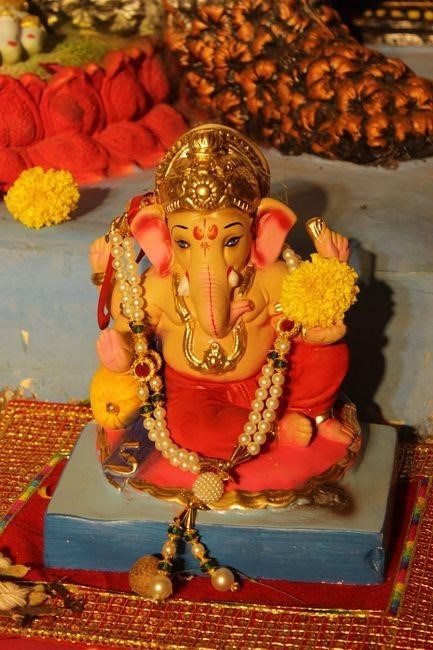
Content Overview: 108 Names of Vinayaka
The Vinayaka Ashtottara Shatanamavali PDF lists 108 divine epithets, starting with “Om Gajananaya Namah” and concluding with “Sri Vighnavirahaya Namah.” Each name praises Ganesha’s attributes—wisdom, remover of obstacles, and patron of arts. Telugu versions highlight local devotion. Daily blessings now.
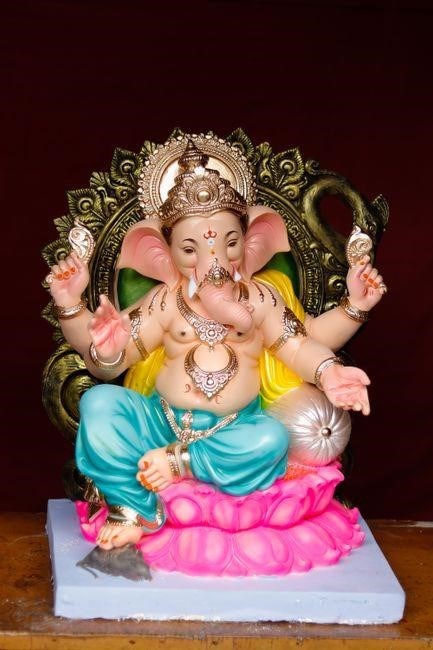
Notable Epithets
Within the Vinayaka Ashtottara Shatanamavali PDF, several epithets stand out for their theological depth and liturgical prominence. The opening mantra, “Om Gajananaya Namah,” invokes the elephant‑headed deity’s compassion and intellect, establishing reverence throughout the stotra. “Om Vighnarajaya Namah” emphasizes Ganesha’s role as the supreme remover of obstacles, resonating in personal and communal rituals. The invocation “Om Gauriputraya Namah” celebrates his lineage as the son of Parvati and Shiva, linking the hymn to the broader Shaivite tradition. “Om Ganeshvaraya Namah” highlights his sovereignty over the cosmos, while “Om Skandagrajaya Namah” underscores his association with martial aspects of divine power; “Om Avyayaya Namah” reflects the immutable nature of the deity, reminding devotees of eternal truth. “Om Puthaya Namah” and “Om Dakshaya Namah” honor his nurturing and directional attributes, illustrating the multifaceted character of the god. These names are often chanted in the morning, fostering a calm and focused mindset. Reciting these 108 names is believed to bring clarity, prosperity, and the removal of obstacles for all.!
Other significant names include “Om Shubhodayam Namah,” invoking auspicious beginnings; “Om Mahamrityunjaya Namah,” signifying his power over death; “Om Siddhivinayaka Namah,” denoting the attainment of spiritual goals; and “Om Shubhakarana Namah,” reflecting his benevolent nature. Each title guides devotees through a spectrum of divine qualities, from protective strength to compassionate wisdom. The PDF’s layout presents these names in a rhythmic, easy‑to‑recite format, making them accessible for both seasoned practitioners and newcomers alike.
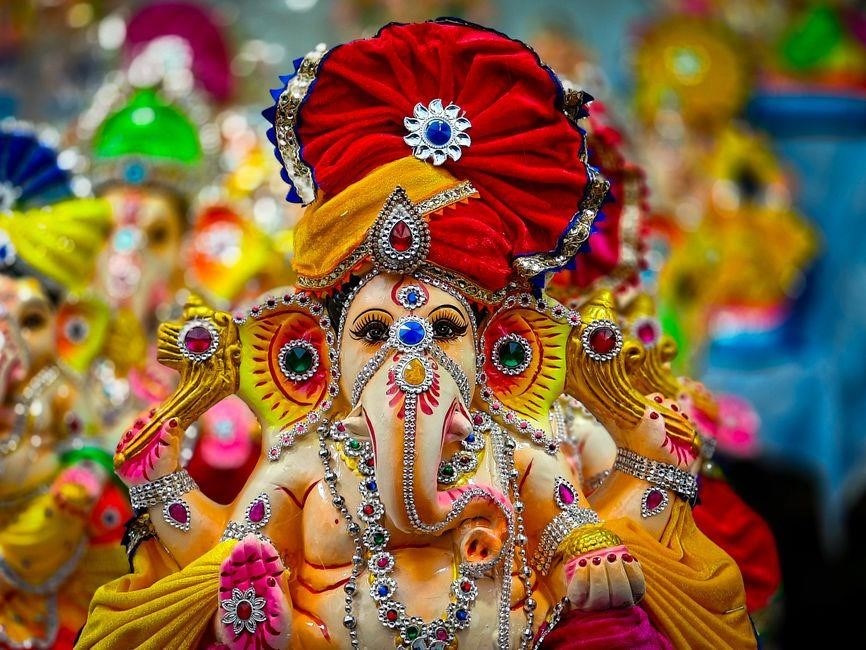
Devotional Practices and Recitation Guidelines
Devotees recite the 108 names from the PDF during dawn, placing a lotus flower and incense. Chant each line slowly, visualizing Ganesha’s elephant head. Repeat thrice, offering a small offering of sweets. Maintain silence, focus, and gratitude to absorb the mantra’s blessings. Offer a flower for each name!!!
Recitation Timing
For maximum efficacy, devotees prefer to recite the Vinayaka Ashtottara Shatanamavali at sunrise, when the first rays of the sun illuminate the temple or home altar. The early morning, known as “Brahma Muhurta,” is considered a spiritually potent period, aligning the practitioner’s breath with the rising light. Many traditions also recommend chanting after the completion of the daily puja, typically in the late morning or early afternoon, to reinforce the sanctity of the day. Evening recitation, especially after sunset, is another favored time, as the cooling air provides a calm atmosphere for focused devotion. In rural settings, the community gathers at the village shrine around 7:00 AM, while urban devotees often choose a quiet window between 6:00–8:00 AM. Some practitioners alternate between morning and evening sessions, repeating the 108 names twice a day. The PDF format allows easy printing or digital playback, ensuring that the verses can be accessed at any of these auspicious times. Consistency is key: maintaining a regular schedule, whether daily or weekly, helps cultivate a disciplined practice and deepens the spiritual connection with Lord Ganesha. Devotees often pair the recitation with a simple offering of a single lotus petal, a handful of sesame seeds, and a small bowl of coconut milk, symbolizing purity, nourishment, and devotion, while the rhythmic chanting creates a meditative flow that aligns the heart with the divine presence of Vinayaka and fosters inner calm and resilience. silence and.
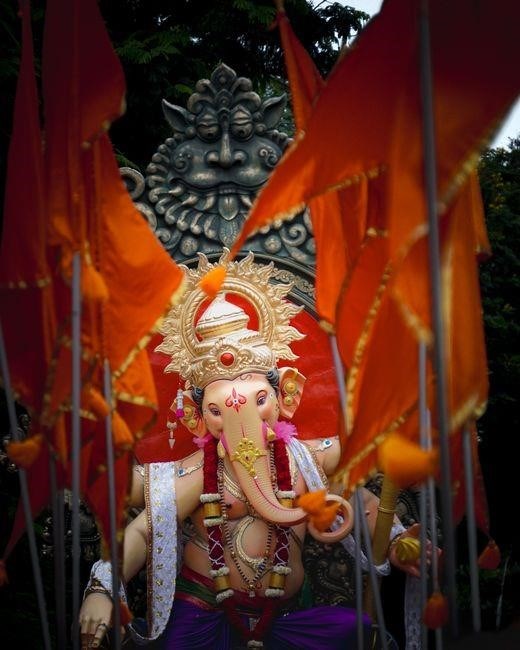
Cultural Significance and Modern Usage
Vinayaka Ashtottara Shatanamavali, a 108‑name hymn, has evolved from temple chants to a digital staple. Its verses celebrate Ganesha as remover of obstacles, patron of learning, and benevolent guide, making it a versatile prayer for clarity, success, and inner peace. In the 21st century, the PDF format has made the stotra widely accessible, allowing devotees to download, print, or listen to audio recordings with ease. Social media channels feature short clips of the chant, while mobile apps embed it in daily reminder notifications. Many yoga and meditation studios incorporate the hymn into classes, using it as a grounding mantra before breathwork or as a closing affirmation. The rhythmic cadence appeals to contemporary audiences, offering a meditative quality that bridges ancient tradition and modern practice. Scholars appreciate the searchable PDF for linguistic study, comparing regional translations and exploring variations in diction. In educational contexts, teachers use the stotra to illustrate the intersection of language, culture, and spirituality, encouraging students to examine how sacred texts adapt to new mediums. Corporate wellness programs have adopted the hymn as a tool for stress reduction and focus, demonstrating how ancient hymns can support mental health in fast‑paced environments. Its popularity is reflected in the growing number of online repositories that host the PDF, enabling scholars and practitioners alike to engage with the text in multiple languages. The hymn’s adaptability also makes it a popular choice for community gatherings, where collective chanting fosters unity and shared devotion.